Belt & Hose Service in Buhl, ID — Deep Creek Auto Repair
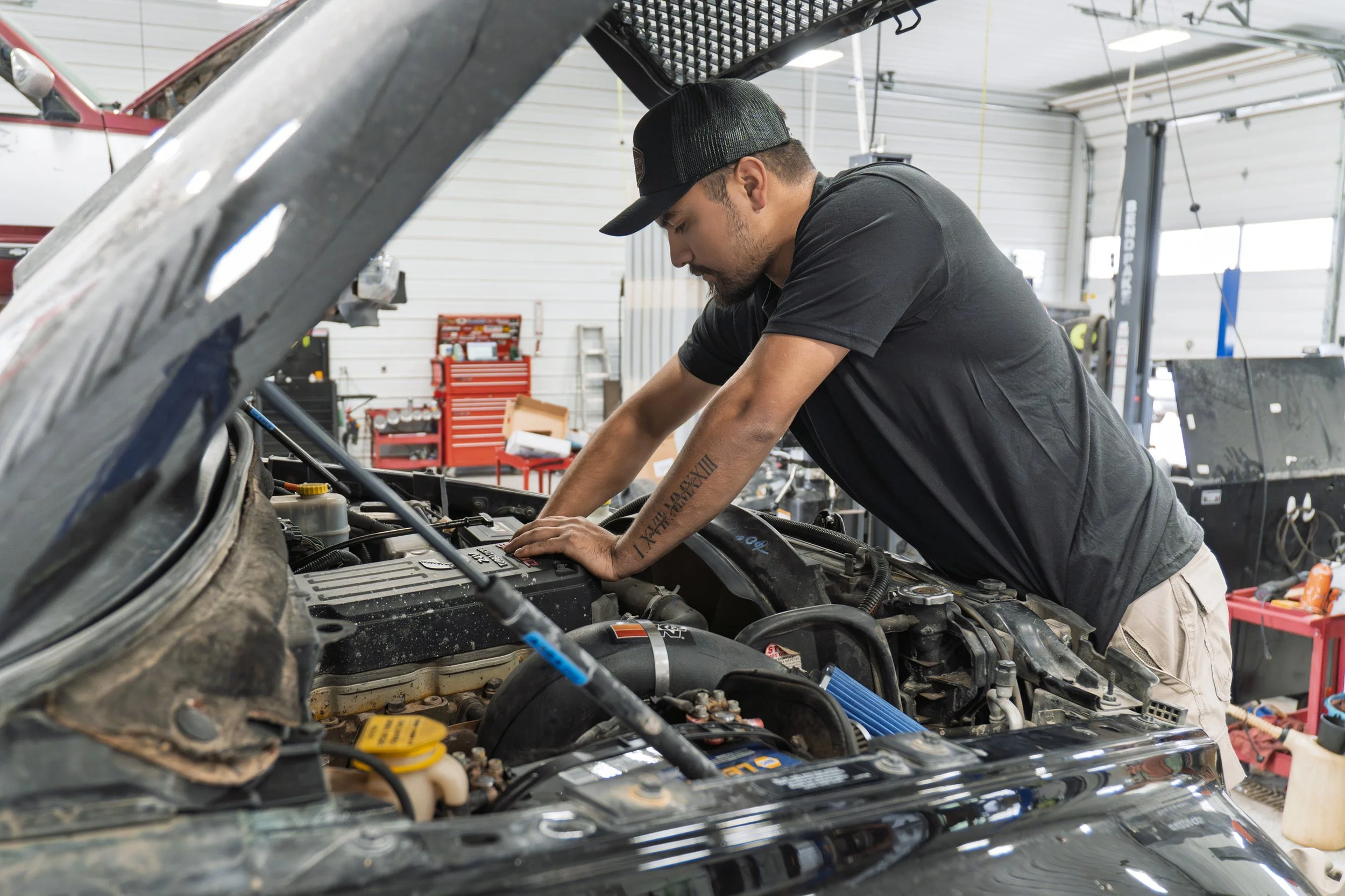
Belts and hoses don't get much attention until one of them fails. Then they get a lot of attention, usually on the side of a road somewhere between Buhl and Hagerman with steam coming from under the hood. A snapped serpentine belt stops your engine immediately. A burst radiator hose does the same and takes your cooling system with it. These are inexpensive parts to replace on a schedule. They're much more expensive to deal with after a breakdown. At Deep Creek Auto Repair, we inspect belts and hoses as part of every oil change and maintenance visit and we replace them before they leave you stranded.
Belt & Hose Services We Provide
Serpentine belt inspection and replacement
Drive belt inspection and replacement
Timing belt replacement, including water pump and tensioner at the same service
Timing chain inspection and service
Belt tensioner and idler pulley replacement
Radiator hose inspection and replacement (upper and lower)
Heater hose inspection and replacement
Bypass hose replacement
Coolant overflow hose replacement
Power steering hose inspection and replacement
Fuel line hose inspection
Vacuum hose inspection and replacement
AC system hose inspection
Full visual inspection of all accessible belts and hoses during routine service
Serpentine Belt — What It Does and When to Replace It
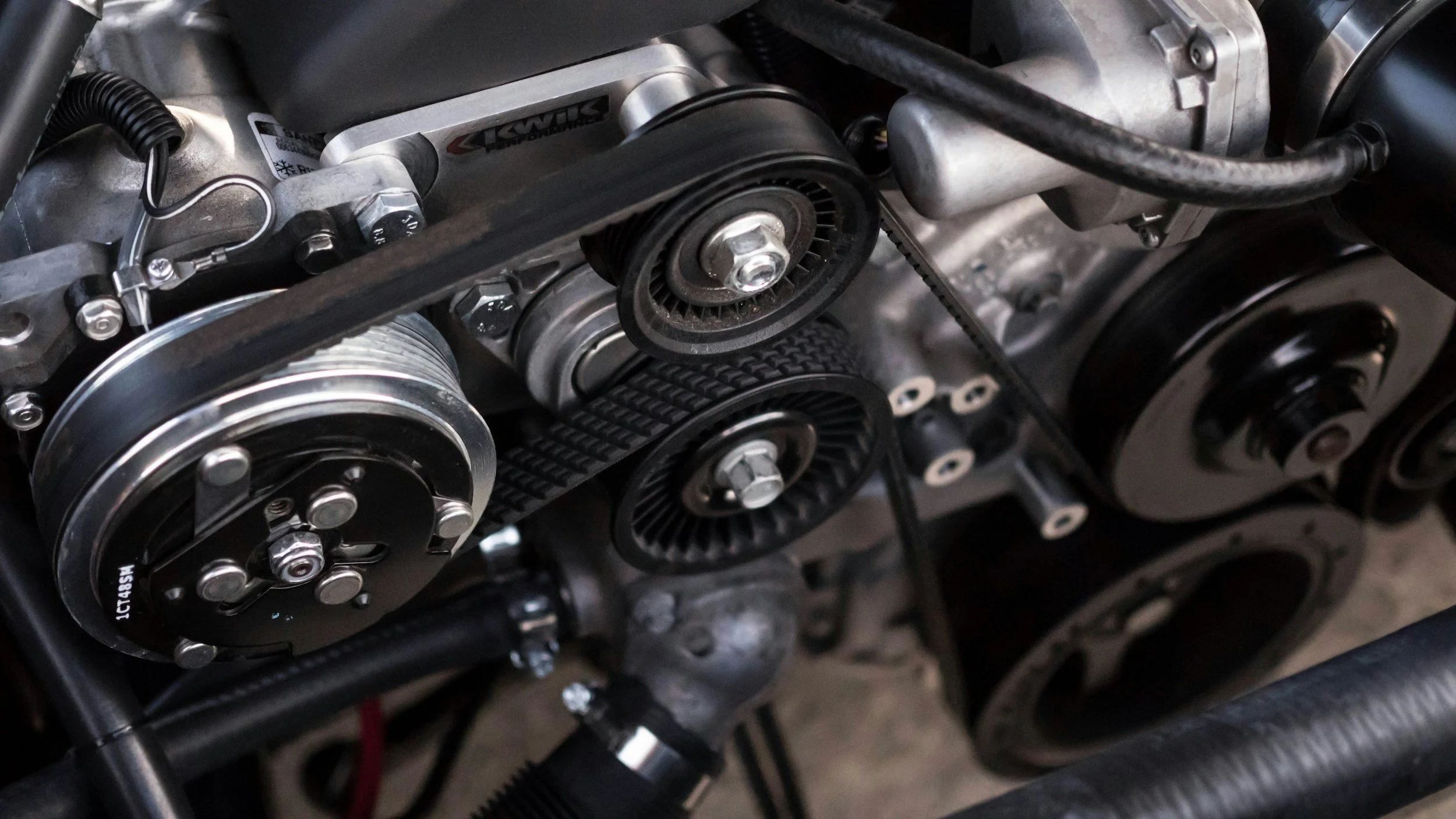
The serpentine belt is a single continuous belt that drives multiple engine accessories at once: the alternator, power steering pump, air conditioning compressor, and water pump on many vehicles. When it breaks, all of those systems stop simultaneously. Your battery stops charging, your power steering goes heavy, your AC dies, and if your water pump is belt-driven, your engine starts overheating within minutes.
Most serpentine belts should be replaced every 60,000–100,000 miles depending on the vehicle and belt material. The belt tensioner and idler pulley that keep it running straight and tight should be inspected at the same time, a failing tensioner can wear out a new belt quickly and cause it to slip or squeal.
Timing Belt — The One You Really Can't Ignore
The timing belt is different from the serpentine belt. It's inside the engine, synchronizing the rotation of the crankshaft and camshaft so the valves open and close at exactly the right moment. If it breaks while the engine is running, the results range from an inconvenient breakdown to catastrophic internal engine damage, depending on whether your engine is an interference or non-interference design.
Most manufacturers recommend timing belt replacement between 60,000 and 105,000 miles. This is not a service to push past the interval. A timing belt replacement is a planned maintenance expense. A broken timing belt in an interference engine is an engine replacement conversation.
The water pump is typically driven by the timing belt and sits in the same area of the engine. Since the labor to access both is nearly identical, replacing the water pump at the same time as the timing belt is standard practice and it's what we recommend. We'll also replace the tensioner and idler pulleys at the same service.
Radiator and Coolant Hoses — What Failure Looks Like
Coolant hoses are made of rubber that degrades over time from heat cycling, pressure, and contact with coolant. From the outside, a hose can look fine while the interior layers are already breaking down. Signs of hose trouble include:
Visible cracking, swelling, or softness when squeezed, a healthy hose should feel firm
Coolant leaks at the connection points where hoses clamp to the radiator or engine
Coolant smell under the hood without a visible puddle, small leaks evaporate before they drip
Engine running warmer than normal, a partially collapsing hose restricts coolant flow
A hose that feels unusually hard or brittle, heat-hardened hoses crack under pressure
Most coolant hoses should be replaced every 4–5 years or 60,000–100,000 miles regardless of appearance. The southern Idaho temperature swings between July and January accelerate rubber degradation, a hose that might last 6 years in a mild climate may not make it that long here.
We Inspect Belts and Hoses at Every Service
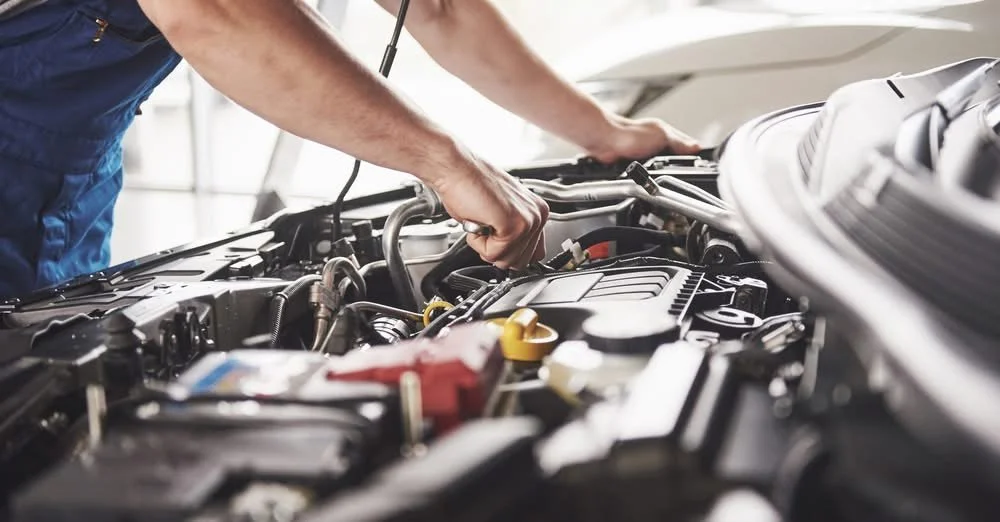
When your vehicle comes in for an oil change or any maintenance visit, we do a visual inspection under the hood: belts, hoses, battery terminals, and fluid levels. If we see something that warrants attention, we'll point it out and give you an honest assessment of urgency. We're not going to pressure you to replace a belt that has plenty of life left. And we're not going to let you drive away without mentioning one that's cracking.
Why Deep Creek for Belt & Hose Service
Straightforward answer: we catch these things early, tell you what we see, and replace them on your schedule rather than the road's schedule. Belt and hose replacement is the kind of maintenance that feels optional right up until it isn't. We've been doing this work since 2011 and we've seen enough roadside calls from customers who pushed past a worn belt to know it's worth the conversation.
All belt and hose work at Deep Creek is backed by the NAPA AutoCare 24-month/24,000-mile nationwide warranty.
Related Services at Deep Creek Auto Repair
Cooling System & Radiator ❯
Radiator hoses are part of the cooling system. If your engine has been running hot or you've had a coolant leak, see our Cooling System page at /cooling-system.
Preventive Maintenance ❯
Belt and hose inspection is part of every scheduled maintenance visit. See our Maintenance page at /maintenance.
Engine Repair ❯
A snapped timing belt or blown hose that caused an overheating event may have led to engine damage. See our Engine Repair page at /engine-repair.
AC & Heat Service ❯
The serpentine belt drives the AC compressor. If your AC stopped working suddenly, a belt issue may be involved. See our AC & Heat page at /ac-heat.
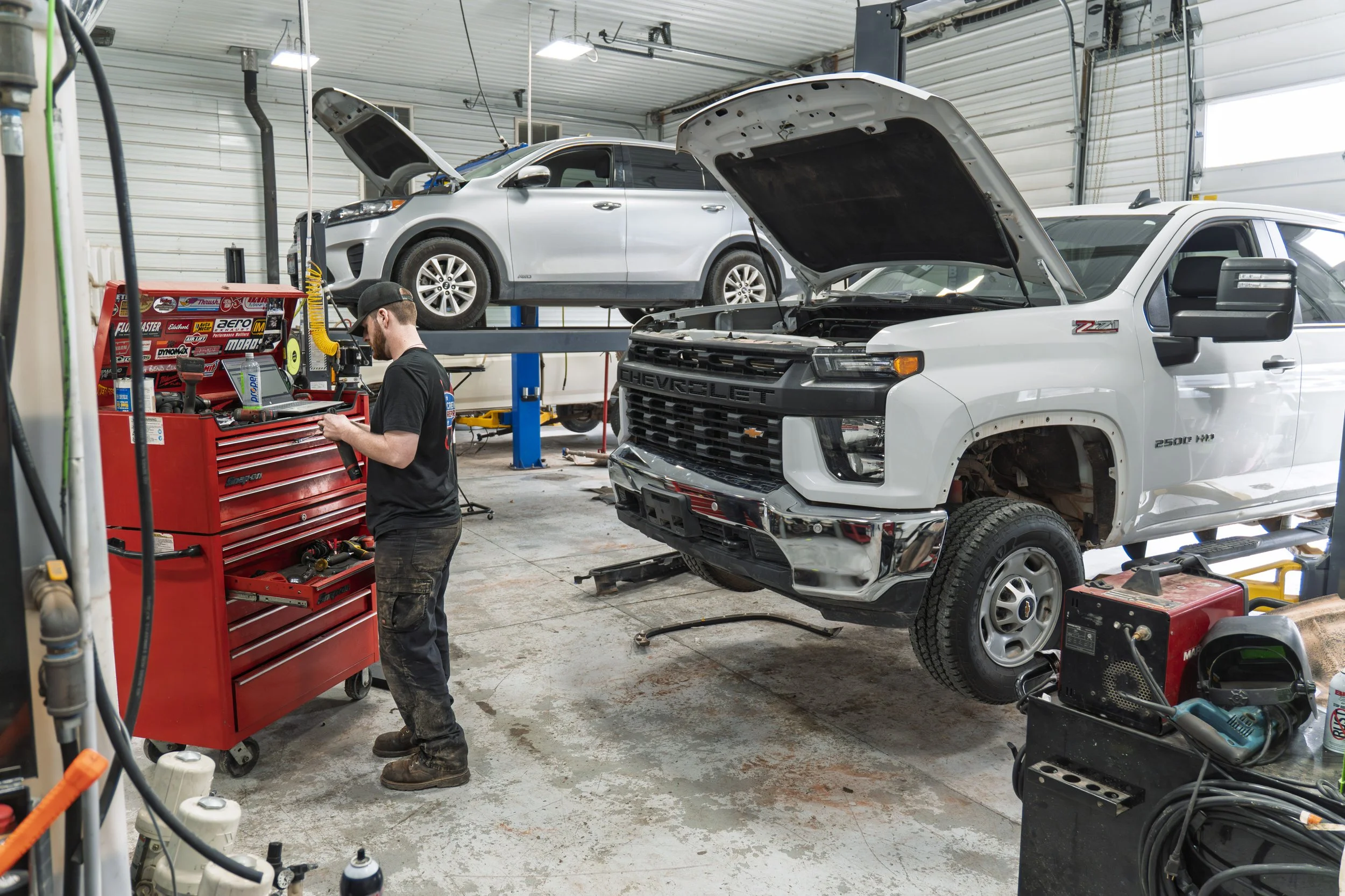
Ready to Schedule Your Service?
Call or stop by. No runaround, no pressure. We'll look at your vehicle, tell you what we find, and give you a straight answer on what it needs. Customer service first and work done right the first time. That's been our commitment since we opened in 2011, and it's not changing.
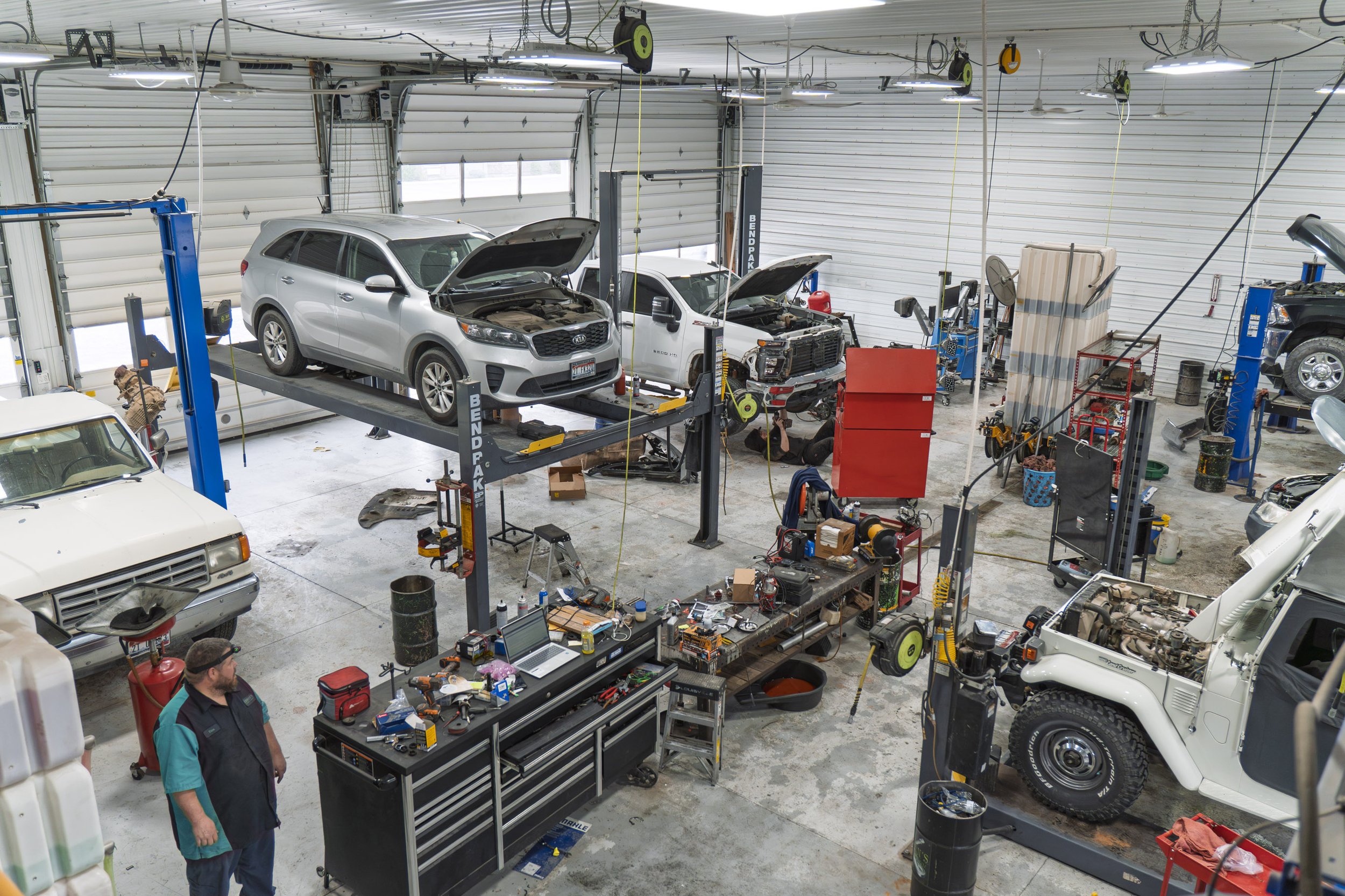
Belts & Hoses FAQ
-
Visual signs include cracking, fraying, glazing (a shiny worn surface), or missing chunks. A squealing noise from the engine — especially on startup or when accessories kick on — often points to a slipping or worn belt. But belts can look acceptable while being near the end of their life. If yours is over 60,000 miles and hasn't been replaced, it's worth an inspection.
-
The accessories it drives stop immediately. On most vehicles that means the alternator stops charging the battery, power steering goes heavy, and the AC shuts off. If your water pump is belt-driven, the engine will begin overheating within a few minutes. Pull over safely as soon as you can — don't try to nurse it to a shop.
-
Generally, Japanese and some European vehicles use timing belts; many American and German vehicles use timing chains. Chains are designed to last the life of the engine but can stretch and require service. Belts have a specific replacement interval. We can tell you which your vehicle has and what the service schedule looks like.
-
If the water pump wasn't replaced at the same time as the timing belt, it's a judgment call based on the pump's age and condition. Since accessing the water pump requires removing the timing belt anyway, the labor is mostly already paid for. If the pump is original and has significant mileage on it, replacing it at the next timing belt service makes sense.
-
Not reliably. A cracked hose is losing coolant — either slowly or one pressure spike away from failing completely. Once the coolant level drops enough, the engine overheats. Drive it to us or have it towed. Don't push it and hope.

What Our Customers are Saying:
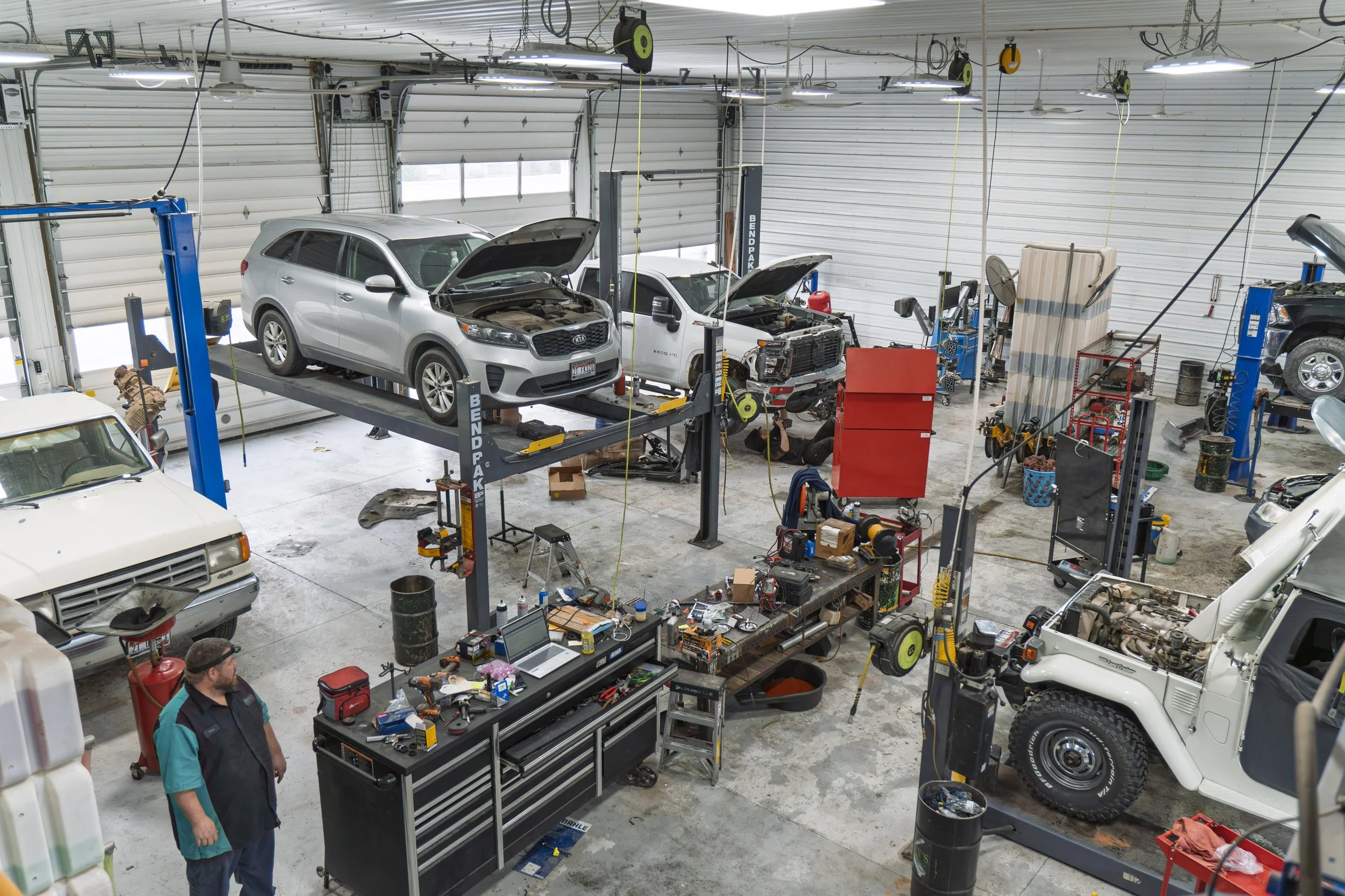
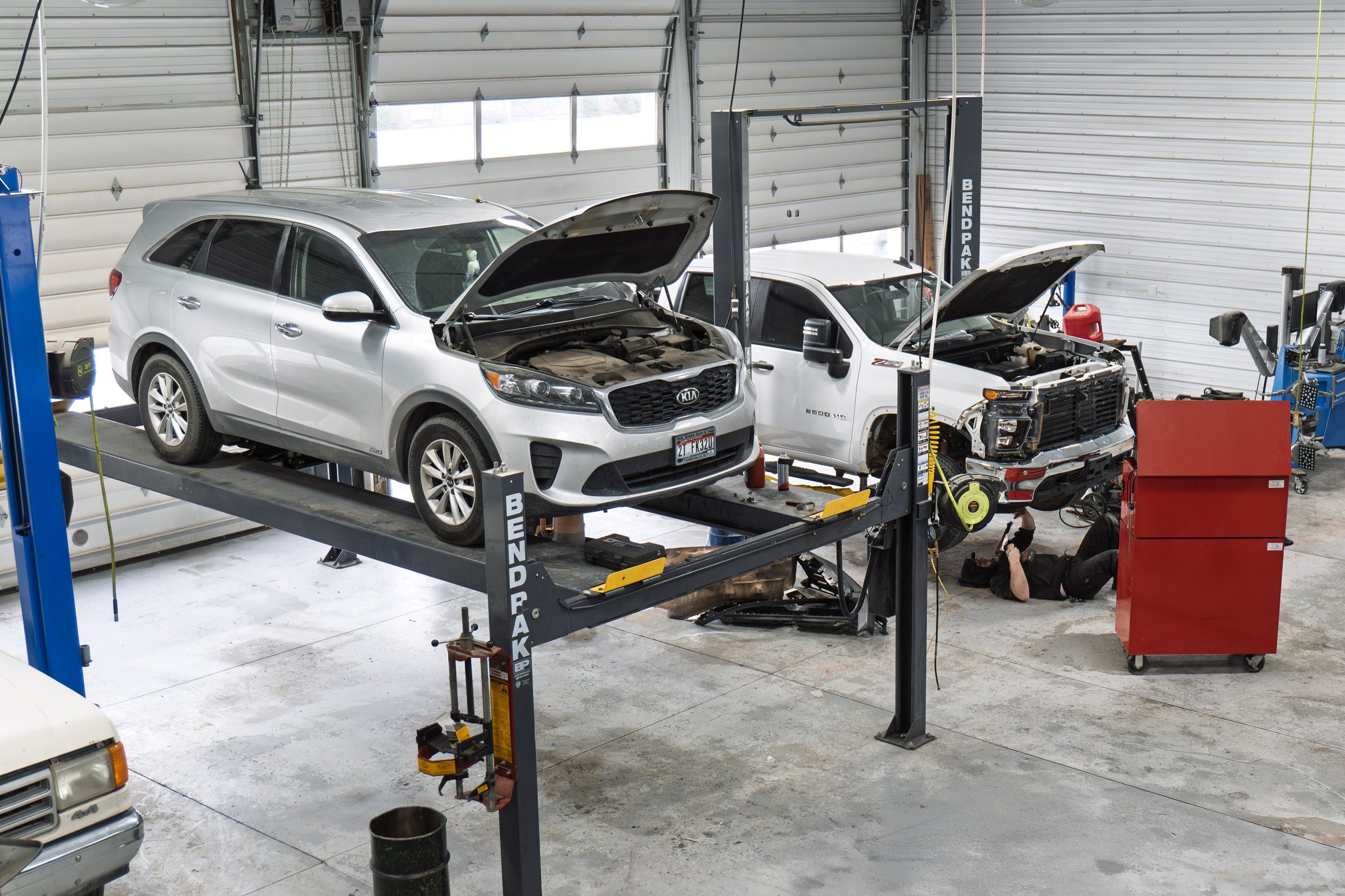
Belt & Hose Service Near Me — Serving Buhl and the Magic Valley
Deep Creek Auto Repair is located at 1022 Burley Ave in Buhl, making us the go-to AC & heat repair shop for communities across the Magic Valley. We regularly serve customers from:
Buhl - our home base, right on Burley Ave
Twin Falls - a straight shot east on Highway 30
Filer - just a few minutes up the road
Castleford, Hagerman, Wendell, Kimberly, and Hollister, we're the closest NAPA AutoCare shop for much of the area
If you've been searching "AC repair near me Buhl" or "car heater not working Buhl ID," Deep Creek Auto Repair is your local NAPA AutoCare Center. Call us at (208) 543-8000.
Proudly Serving Buhl and the Magic Valley
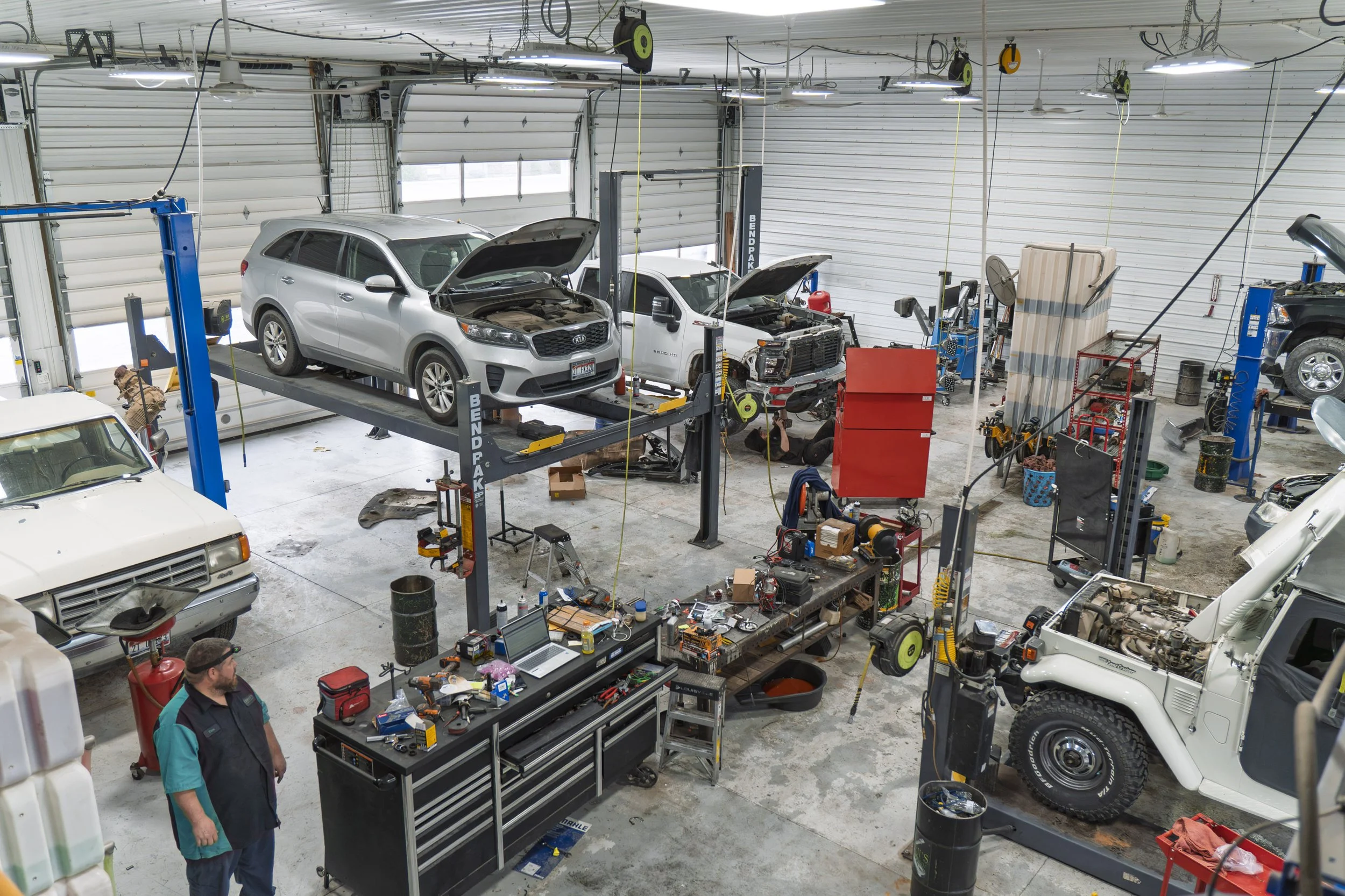
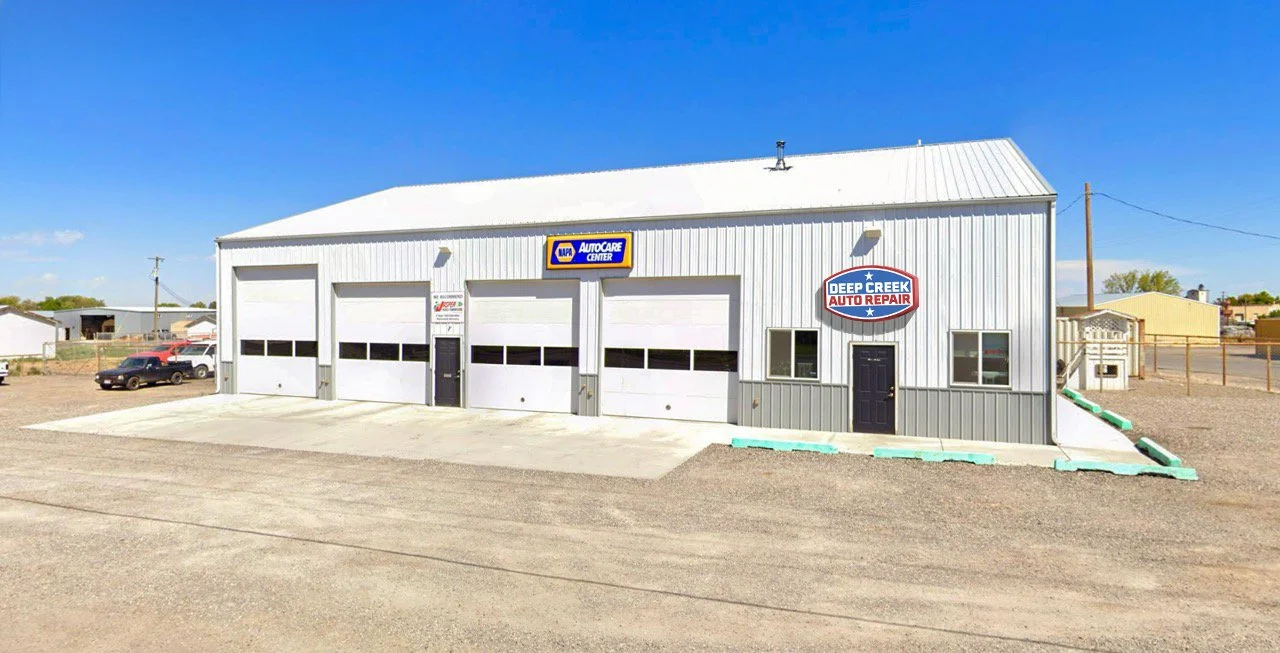
Deep Creek Auto Repair is located at 1022 Burley Ave in Buhl, Idaho. Easy to reach whether you're coming from across town or making the drive in from one of the surrounding communities. Our new facility was built with 70% local businesses, and that commitment to the area shows in how we treat every customer who walks through our door.
We regularly serve customers from:
• Buhl - our home base on Burley Ave
• Filer - just a few minutes north
• Twin Falls - straight east on Highway 30
• Castleford and Hagerman - for customers who want a shop they can trust
• Wendell, Kimberly, and Hollister, we're the closest NAPA AutoCare shop for much of the western Magic Valley
If you're in southern Idaho and looking for a mechanic who puts your needs first, Deep Creek Auto Repair has been that shop since 2011.